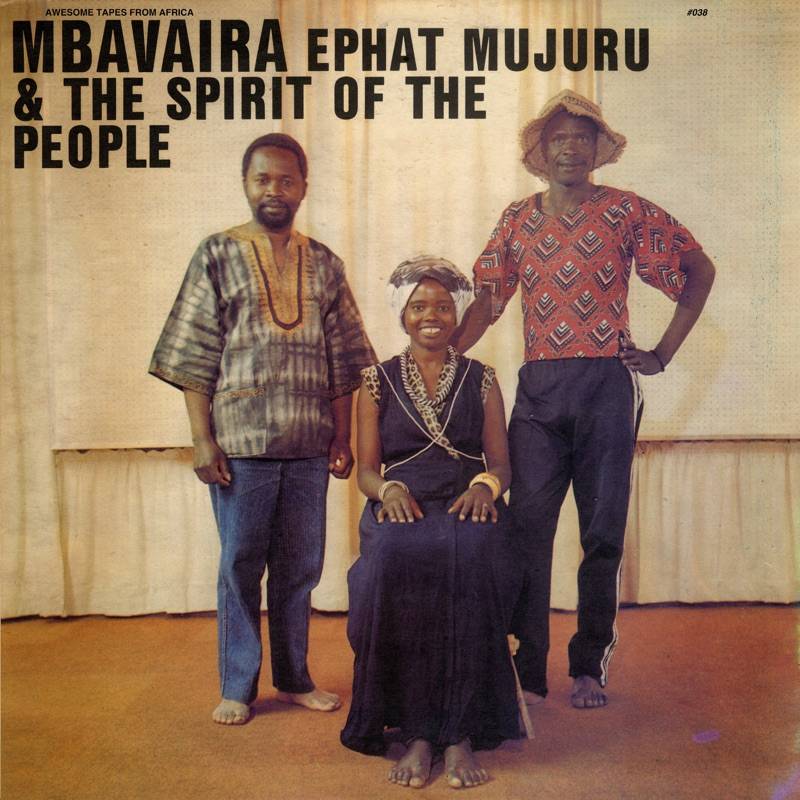
Mbavaira
Original price was: $19.99.$10.99Current price is: $10.99.
Mujuru was Zimbabwe’s foremost mbira (thumb piano) player who brought Shona music to the world. Available outside Zimbabwe for the first time. All-acoustic, calming music for these times. Mbira importance grew with the struggle for independence and became a key symbol for the country after colonial period. Audio extracted from LP as master tapes were destroyed. Ephat Mujuru exemplifies a unique generation of traditional musicians in Zimbabwe. Born under an oppressive colonial regime in Southern Rhodesia, his generation witnessed the brutality of the 1970s liberation struggle, and then the dawn of independent Zimbabwe, a time in which African music culture long stigmatized by Rhodesian educators and religious authorities experienced a thrilling renaissance. Under the tutelage of his grandfather, who was a respected spirit medium and mbira master, Ephat showed an early talent for the rigors of mbira training, playing his first possession ceremony when he was just ten years old. By then, guerilla war was engulfing the country and his grandfather Muchatera tragically became a victim of the violence, a devastating blow to the young musician. In the midst of the liberation struggle, mbira music became political. Eventually, the Rhodesians were defeated, but rather than return to the past, the nation of Zimbabwe was born and a new future unfolded. Ephat threw himself into the spirit of independence, singing of brotherhood, healing, and unity: crucial themes during a time when the nation’s two dominant ethnic groups, the Shona and the Ndebele, were struggling to reconcile differences. Ephat’s band would eventually follow the popular trend and add electric instruments. But before that, he and Spirit of the People released two all acoustic albums, and they may well be the most exciting and beautiful recordings he made in his career. Mbavaira, the second of these albums, was released in 1983. As the independence years moved on, there would be fewer and fewer commercial mbira releases. But for the moment, Ephat had the required stature and reputation. Also, with the energy and drive we hear in these recordings, the album could easily rival the pop music of its day. Within a few years after the release of Mbavaira, it and albums like it became harder to find in Zimbabwean record stores. Ephat adapted to the times and formed an electric band. They recorded more albums over the years but none of them have the particularly delicious energy of Spirit of the People in the first years of Zimbabwe’s independence.

Free Shipping & Returns
Enjoy 30-day hassle-free returns.
Order before 2:00PM for same-day dispatch!